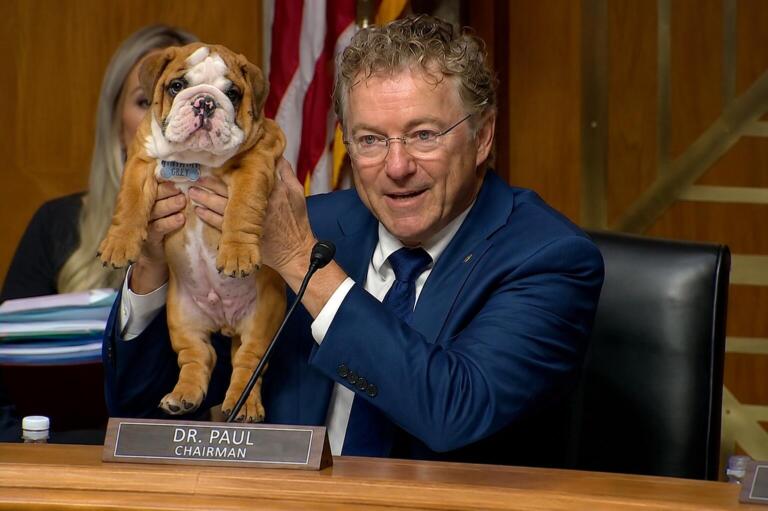



WASHINGTON, DC — In testimony before Congress, Commerce Secretary Howard Lutnick forcefully denied any involvement in wrongdoing, insisting that reports linking him to Jeffrey Epstein’s island are being wildly mischaracterized and that his presence there was purely culinary in nature.
“I’m not saying I didn’t know he was a pedophile,” Lutnick explained, gesturing vaguely toward a silver chafing dish. “I’m saying the shrimp were peeled. At some point, you’re no longer making an ethical decision, you’re making a catering decision.”
According to sources familiar with the visit, guests were briefed on Epstein’s crimes well before lunch, but were encouraged to “keep an open mind” until after the carving station. Witnesses say several attendees initially planned to leave on principle, only to pause upon learning the ahi tuna was “flown in fresh.”
“I wasn’t there for anything improper,” Lutnick clarified. “I was there for lunch. With my family. On an island. That happens to be privately owned by a convicted sex offender. Those facts are unrelated.”
Ethics experts note this is a common phenomenon among the ultra-wealthy, where moral outrage peaks right up until someone mentions artisanal bread. “Once the second dessert table appears, accountability becomes abstract,” said one scholar.
Legal experts note that Lutnick’s defense hinges on a growing strategy among the ultra-wealthy: complete moral compartmentalization paired with aggressive denial. “You can know someone is a monster,” said one analyst, “and still insist you were just there for lunch.”
Lutnick later clarified that while he regrets “the broader situation,” he stands by his decision to stay through coffee. “You can condemn a man,” he said, “and still acknowledge a flawless lemon tart.”
Please share our content below…